
Health Education Resources

- Details
- Category: Health Education Resources
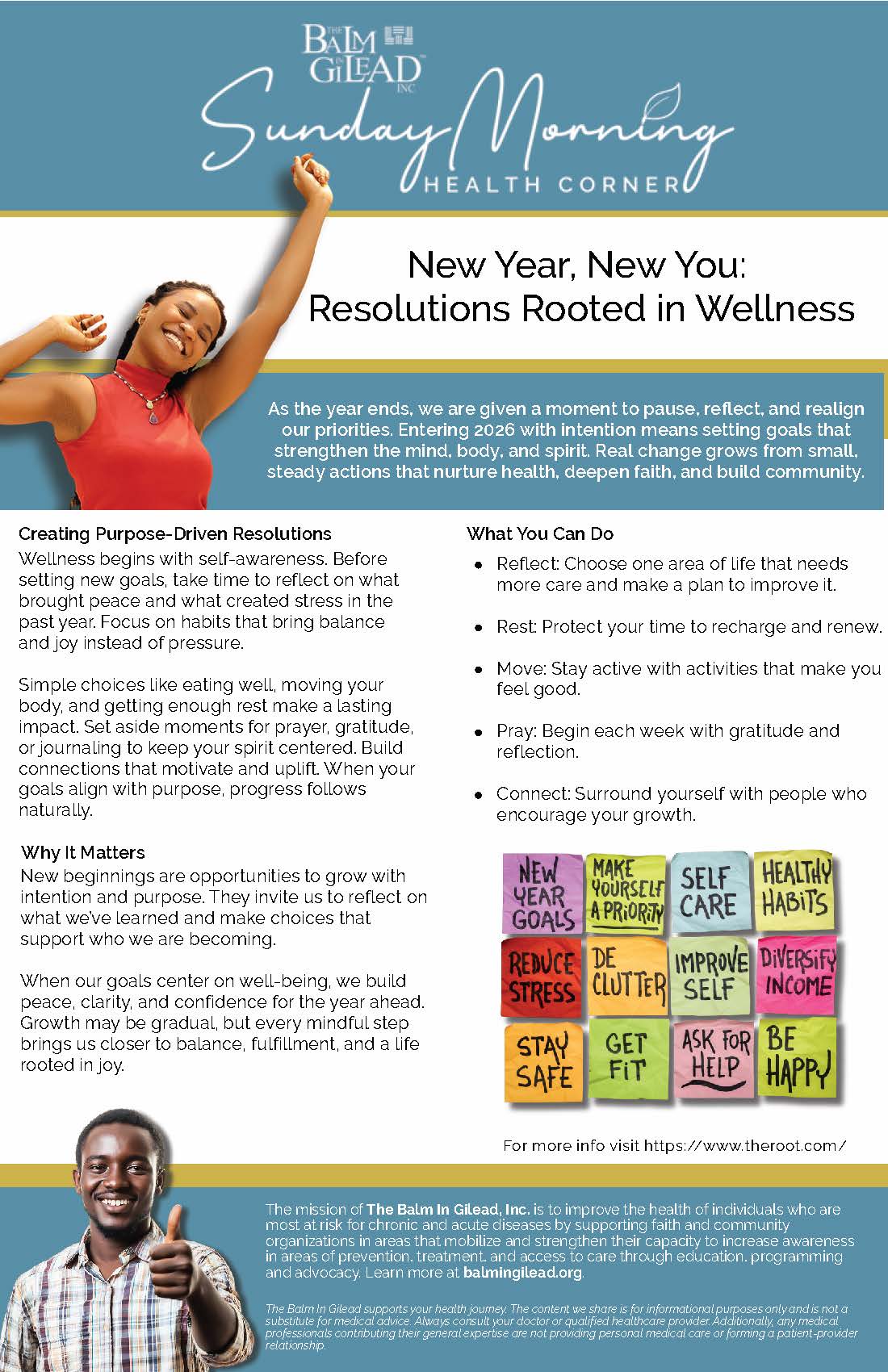
The end of the year often brings reflection on what we’ve accomplished, what we’ve postponed, and how we want to feel stepping into the next chapter. When it comes to your health, one of the most powerful tools you have for setting yourself up for success next year is your health insurance.
If you’ve spent the past months managing pain, skipping follow-ups, or delaying a recommended procedure, now may be the perfect time to take action. By using your health insurance benefits before they reset, including any FSA and HSA funds, you can start the new year with renewed energy and a plan for lasting wellness. Whether it’s finally addressing that nagging shoulder pain, scheduling a tendon repair, or getting back into physical therapy, small steps now can lead to a stronger, healthier 2026.
1. Reflect on Your Health Goals
The end of the year is a natural checkpoint for many things, and it is also great time to check in on your health. Think about how your body has felt over the past several months, are there aches, stiffness, or limitations you’ve learned to work around? Maybe your shoulder pain flares up when you reach overhead, or you’ve skipped physical therapy sessions because life got busy.
Now is a good time to pause and take stock. Write down the goals that matter most to you, whether that’s moving without pain, building strength, or simply returning to favorite activities. This reflection isn’t about what you didn’t do, but about what you can still do to set yourself up for success in the months ahead.
2. Maximize Your Insurance Benefits Before They Reset
Many health insurance plans reset on January 1st, meaning that deductibles, FSA and HSA funds, and out-of-pocket limits start over. If you’ve already met your deductible this year, you may be eligible for certain procedures or treatments with significantly lower out-of-pocket costs before the year ends.
For patients managing chronic joint or tendon issues, this could be an opportunity to move forward with recommended treatments such as rotator cuff or tendon repair. These procedures are often planned rather than urgent, making the final months of the year a practical time to get them on the calendar.
Even if surgery isn’t on your list, consider scheduling follow-up imaging, physical therapy sessions, or consultations with your orthopedic specialist now. Clinics often fill up quickly in November and December, and a little planning can help you take full advantage of your benefits before they reset.
3. Take Advantage of Winter Recovery Time
For many people, fall and winter are naturally quieter seasons. Outdoor activities slow down, schedules ease up after summer travel, and there’s more time spent at home. This slower pace can make recovery from orthopedic procedures more comfortable.
Patients who plan their surgery in late fall often find they can rest and heal through the winter, then return to spring activities stronger and pain-free. A well-timed procedure now may mean you’re ready for golf, tennis, pickleball or gardening without discomfort when warmer weather returns.
Even if you’re not preparing for surgery, colder months can be a great time to focus on physical therapy or strength training to support joint and tendon health. Building stability and flexibility now helps reduce future injury risk.
4. Embrace New Innovations in Healing
Orthopedic medicine continues to evolve toward solutions that work with the body’s natural healing processes. Regenerative treatments, such as biologic scaffolds made from materials like hyaluronic acid, support new tissue growth to help repair damaged tendons more naturally.
For patients, this means a growing number of options that aim to reduce recovery time and improve long-term outcomes. Whether you’re discussing advanced implants, regenerative technologies, or personalized rehabilitation programs, today’s innovations are designed to help you get back to doing what you love, safely and with confidence.
A Fresh Start Begins Now
Health isn’t a short-term goal; it’s a lifelong investment. The final months of the year offer a unique opportunity to prioritize your wellbeing, make use of your benefits, and take proactive steps toward recovery. Whether that means scheduling a procedure, following up with your doctor, or simply making a plan for the year ahead, what you do now can make a meaningful difference in how you feel entering 2026.
Your next chapter in better health can start today, one smart, intentional choice at a time.
Source: Anika Therapeutics
- Details
- Category: Health Education Resources
What is Safe Toys & Gifts Month 2025?
Safe Toys & Gifts Month focuses on raising awareness about the importance of selecting toys and gifts that meet safety standards and align with a child’s age and developmental stage. The goal is to prevent accidents and injuries caused by inappropriate or hazardous toys, especially during a time when gift-giving is common.
Safe Toys and Gifts Month is observed every December to promote the selection of safe, age-appropriate, and non-toxic toys for children, aiming to prevent toy-related injuries during the holiday season.
Goals and Importance
The primary goals of Safe Toys and Gifts Month include:
- Promoting Safety: Educating parents, caregivers, and gift-givers about the importance of selecting toys that meet safety standards and are appropriate for a child's age and developmental stage.
- Preventing Injuries: Highlighting the risks of toy-related injuries, such as choking hazards, sharp edges, and toxic materials, to encourage informed purchasing decisions.
- Encouraging Supervision: Advocating for adult supervision during playtime to ensure children use toys safely.
Tips for Safe Gift-Giving
To ensure safe toy selection during this month, consider the following tips:
- Check Labels: Always look for age-appropriate labels and safety certifications on toys.
- Avoid Small Parts: Steer clear of toys with small parts that could pose choking hazards for young children.
- Inspect for Hazards: Examine toys for sharp edges, loose parts, or any potential dangers.
- Research and Reviews: Read reviews and ask for recommendations from other parents and caregivers.
- Support Educational Toys: Choose toys that encourage learning, creativity, and development.
How to Promote Safe Toys & Gifts
Promoting safe toys and gifts during this month is essential for children’s well-being. Here are ways to ensure safe gift-giving:
- Check Labels: Always look for age-appropriate labels on toys and gifts and follow the manufacturer’s recommendations.
- Avoid Small Parts: Steer clear of toys with small parts or choking hazards for young children.
- Inspect for Hazards: Examine toys for sharp edges, loose parts, or any potential dangers that could harm children.
- Read Reviews: Research toys and gifts online, read reviews, and ask for recommendations from other parents and caregivers.
- Consider Child’s Age: Consider a child’s age, interests, and abilities when selecting gifts.
- Support Educational Toys: Choose toys and gifts that encourage learning, creativity, and development.
- Spread Awareness: Share safety tips and information about Safe Toys & Gifts Month with your community and on social media.
This holiday season (and beyond), please consider the following guidelines for choosing safe toys for all ages:
- Inspect all toys before buying. Avoid those that shoot or include parts that fly off. The toy should have no sharp edges or points and should be sturdy enough to withstand impact without breaking, being crushed, or being pulled apart easily.
- When purchasing toys for children with special needs try to: Choose toys that may appeal to different senses such as sound, movement, and texture; consider interactive toys to allow the child to play with others; and think about the size of the toy and the position a child would need to be in to play with it.
- Be diligent about inspecting toys your child has received. Check them for age, skill level, and developmental appropriateness before allowing them to be played with.
- Look for labels that assure you the toys have passed a safety inspection – “ATSM” means the toy has met the American Society for Testing and Materials standards.
- Gifts of sports equipment should always be accompanied by protective gear (give a helmet with the skateboard)
- Keep kids safe from lead in toys by: Educating yourself about lead exposure from toys, symptoms of lead poisoning, and what kinds of toys have been recalled; being aware that old toys may be more likely to contain lead in the paint; having your children wash their hands frequently and calling your doctor if you suspect your child has been exposed to lead. Consult the last two websites listed below for more information.
- Do NOT give toys with small parts (including magnets and “button” batteries which can cause serious injury or death if ingested) to young children as they tend to put things in their mouths, increasing the risk of choking. If the piece can fit inside a toilet paper roll, it is not appropriate for kids under age three.
- Do NOT give toys with ropes and cords or heating elements.
- Do NOT give crayons and markers unless they are labeled “nontoxic.”
Sources American Public Health Association, Prevent Blindness